
July 2026 - Moths matter! These nocturnal pollinators provide a primary food source for wildlife, and are indicators of environmental health. In Pennsylvania, scientists have documented nearly 2,500 species of moths, and counting!
Want to learn more about moths? Check out these five tips from WPC Inventory Ecologist Pete Woods, an expert on lepidopterology (the study of moths) with the Pennsylvania Natural Heritage Program.
1.
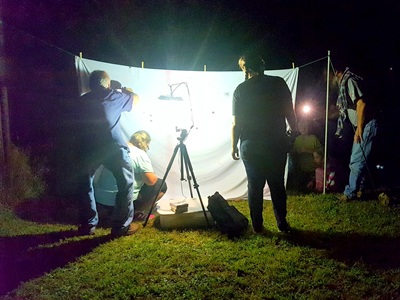
Go mothing!
"Hang up a sheet and shine a light on it at night," says Pete, "or simply turn on a porch light at night and see what appears.”
Most (but not all) nocturnally active moths are attracted to light, a phenomenon known as positive phototaxis. “A black light will bring in more moths, but you can use whatever light you have.”
This article from ButterflyConservation.org explains why moths are attracted to light.
2.
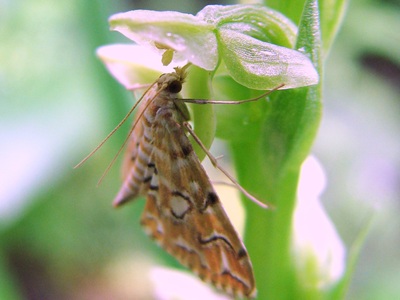
Plant natives!
"Plant native flowers, trees and fruit that attract moths," suggests Pete. Moths prefer light-colored flowers that reflect moonlight. Native plants are key for moth survival. Great moth-attracting native plants include milkweeds, mountain mint, bee balm and joe-pye weed.
Check out this article from Penn State Extension – Monroe County about some species of moths and the plants they love.
3.
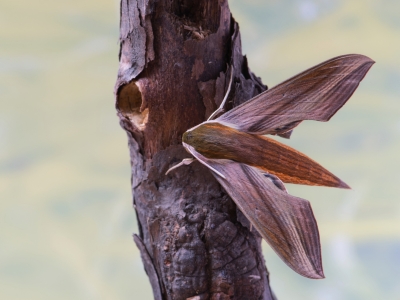
Sugar trees!
"Try tree sugaring," Pete says. With a paintbrush, paint a small patch of a sweet, fermented mixture on a tree at chest-height an hour or so before dark to attract moths.
He recommends a mixture of mashed fruit, sugar or molasses, a dash of vinegar and enough cheap beer or red wine to create a thick and fragrant liquid.
Here's a short article from NationalMothWeek.org to get you started.
4.
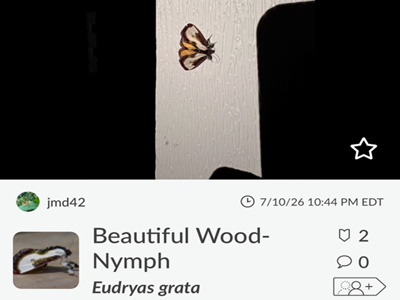
Use iNaturalist!
"Become a community scientist and track moths on iNaturalist," Pete recommends. Download the app on your smartphone, then take photos of moths and caterpillars and record your findings. Scientists use the data to see where species live, how they shift locations due to climate change and more, enabling them to better study and protect moths.
Learn more on the iNaturalist website’s Moth Week page.
5.
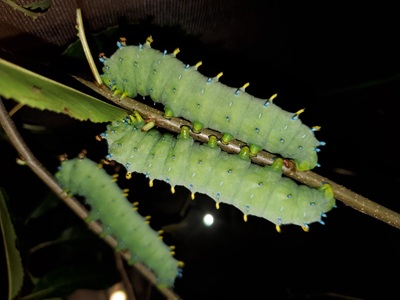
Be a moth parent!
"Raise a moth from a caterpillar!” Pete says. This is a great project for young children to learn about moth and butterfly lifecycles.
Check out this article from Prairie Haven native Habitat Restoration. It has great photos, tips and instructions for raising giant silkmoths such as cecropia, luna and more.
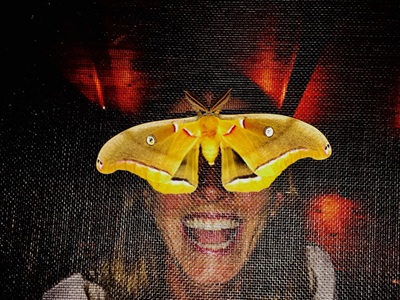
Learn more about moths!
Learn more about moths through the following resources:
- Butterflies and Moths of Pennsylvania | Butterflies and Moths of North America
- Raising a Wooly Bear Caterpillar from CaterpillarLab.org
- Classroom Kits for Raising Caterpillars from EducationalScience.com
- For the Love of Moths from the Xerces Society
- the Pennsylvania Natural Heritage Program
Visit the Western Pennsylvania Conservancy on Facebook, Instagram or LinkedIn and let us know if you've tried any of these tips…and if you discovered anything new about moths! Thank you for helping moths thrive.
###
About the Western Pennsylvania Conservancy:
The Western Pennsylvania Conservancy (WPC) enhances the region by protecting and restoring exceptional places. A private nonprofit conservation organization founded in 1932, WPC has helped establish 11 state parks, conserved more than 290,000 acres of natural lands, protected or restored more than 3,000 miles of rivers and streams, and assessed thousands of wildlife species and their habitats. The Conservancy owns and operates Frank Lloyd Wright’s Fallingwater, which is on the UNESCO World Heritage List and symbolizes people living in harmony with nature. In addition, WPC enriches our region’s cities and towns through 125 community gardens and other green spaces and thousands of trees that are planted with the help of more than 7,000 volunteers. The work of the Conservancy is accomplished through the support of more than 10,000 members. For more information, visit WaterLandLife.org or Fallingwater.org.