
Winter’s first fluffy snow beckoned you to enjoy the downy flakes as you cleared the driveway. (It was good exercise, right?) By the sixth or seventh round of shoveling and scraping, snow’s magic has likely faded...but you can’t stand the thought of firing up the treadmill and slogging even one. more. mile.
Get outdoors for a winter refresh before cabin fever sets in! Quiet and peaceful, the Western Pennsylvania Conservancy’s nature preserves are open to everyone at no charge.
Try these seven winter activities at the WPC preserves suggested below, or visit WaterLandLife.org/Preserves and filter by activity, county or acreage and get directions to a WPC preserve near you.
(Please note: WPC preserves are rustic and do not have restrooms. Trails and parking lots are not maintained during winter, with the exception of the Bear Run Nature Reserve parking lot. Review safety guidelines at the end of this article.)
1.
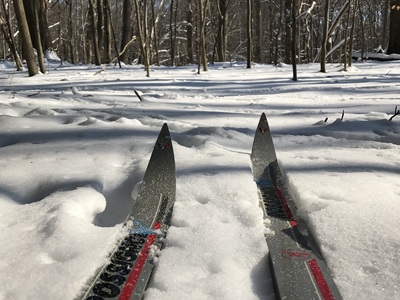
Cross-country Skiing
Try cross-country skiing on the hiking trail at Plain Grove Fens Natural Area in Lawrence County! About an hour’s drive north of Pittsburgh, this 400-acre preserve features a wide, relatively level two-mile out-and-back trail that enters a hardwood forest and loops around an old field being restored to forest. (Visit again in spring to observe vernal pools alive with frogs and other amphibians.)
Ski the trail at West Branch French Creek Conservation Area in Erie County when there’s enough snow to cover the wooden plank walkway. Stay on the trail and do not venture into the wetlands, where thin ice can hide beneath the snow!
For additional places to ski, see snow shoeing below.
2.
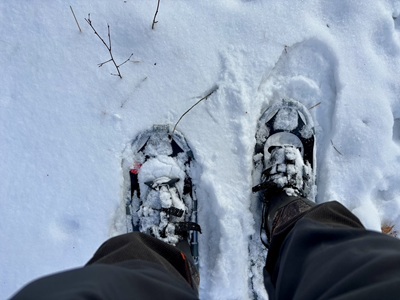
Snow Shoeing
No WPC trails are groomed during winter, so you’ll need to cut your own path!
At Dutch Hill Forest in Jefferson County, pass through thickets of rhododendron and mountain laurel on the 3.4-mile out-and-back trail, where you’ll get glimpses of the Clarion River valley.
At Tryon-Weber Woods in Crawford County, a 1.3-mile loop trail fords a stream twice and crosses through a stand of old-growth forest.
At Helen B. Katz Natural Area in Crawford County, a level, half-mile rustic trail ends at a manmade pond. The preserve’s floodplain, wetland, forest and old field provide habitat for a diversity of wildlife.
3.
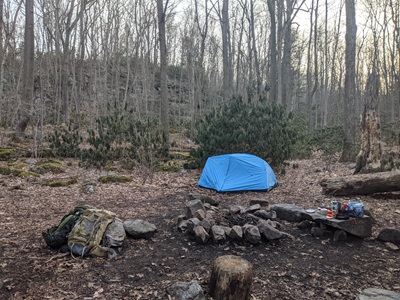
Winter Camping
Reserve a rustic campsite at Bear Run Nature Reserve in Fayette County, free of charge! Winter camping isn’t for everyone, but if you prepare with appropriate equipment, you can be rewarded with a peaceful experience. WPC’s largest preserve at 5,100-plus acres, Bear Run is home to diverse wildlife including black bear, bobcat and more, as well as a variety of bird species. Twenty miles of blazed hiking trails through woods and rhododendron and mountain laurel thickets make this preserve a must-visit any time of year.
You can also purchase tickets for a Winter Walk on the Fallingwater grounds during early January through mid-March to observe the house in its winter splendor. You might even see the waterfall frozen!
4.

Ice Fishing
When the ice is thick enough to be safe, the 64-acre, glacially formed lake at WPC’s Lake Pleasant Conservation Area can present excellent opportunities for ice fishing. Please follow Pennsylvania Fish and Boat Commission regulations, and clean your gear and properly dispose of bait to reduce the spread of invasive species and protect the rare and unique native plants.
5.

Birding
See a variety of birds at virtually every WPC preserve! For example, at Conneaut Marsh Natural Area in Crawford County, you might see anything from geese and swans to juncos and even snowy owls. Miller Esker Natural Area in Butler County is mowed in late August, providing habitat for migrating or wintering birds such as American pipit, snow bunting and Lapland longspur. Bald eagle and numerous other species have been spotted at Sideling Hill Creek Conservation Area in Bedford and Fulton counties.
Many WPC preserves are listed as eBird “hotspots,” or locations where many people enjoy birding. When you use the eBird app, you can contribute observations to science and conservation. Visit eBird.org for information, directions to hotspots, the Pennsylvania Rare Bird Alert and more.
6.
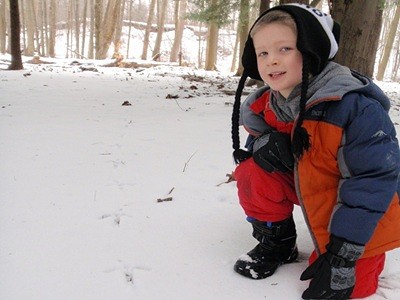
Wildlife Tracking
Children will love looking for animal tracks in the snow (or mud) at any WPC preserve! Wait until the second morning after a snowfall to give local wildlife a chance to become active. (However, at higher traffic preserves such as Toms Run Nature Reserve in Allegheny County, most wild animal tracks could be obscured by domestic dog tracks.)
7.
Observing Nature
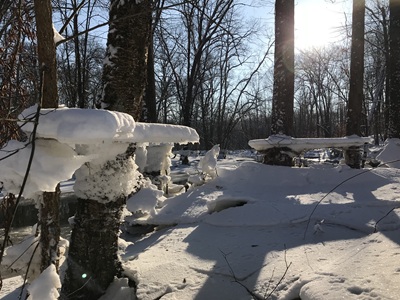
After a flood event immediately followed by a freeze, Cussewago Creek at Helen B. Katz Natural Area in Crawford County can leave interesting ice sculptures attached to floodplain trees. View portions of the creek from the trail.
Check out the work of nature’s engineers when you discover beaver dams at Katz and West Branch French Creek Conservation Area.
At Toms Run Nature Reserve in Allegheny County, hike the three-mile loop trail. About halfway around, you’ll be rewarded with a view of two- to three-feet tall, snow-capped Allegheny ant mounds.
Take in breathtaking views of French Creek in its winter splendor at French Creek Hemlocks Natural Area in Venango County.
Winter Safety Guidelines
- Stay on trails, especially on preserves that feature wetlands, ponds and streams.
- Dress in layers of wool or synthetic fiber clothing (no cotton). Wear blaze orange, especially during hunting season.
- Stay hydrated, and bring water and high-energy snacks.
- Familiarize yourself with the property. Download or print maps--don’t always depend on cell service.
- Notify someone of where you’re going and when you plan to return.
- Bring a compass and think of a “safety bearing” – a predetermined direction to a safe location you can use if you get lost.
- Enable your GPS locator on your smartphone or smartwatch.
- Pack a first aid kit and flashlight. Know basic first aid skills.
- Keep a blanket and some food in your vehicle.
###
About the Western Pennsylvania Conservancy:
The Western Pennsylvania Conservancy (WPC) enhances the region by protecting and restoring exceptional places. A private nonprofit conservation organization founded in 1932, WPC has helped establish 11 state parks, conserved more than 290,000 acres of natural lands, protected or restored more than 3,000 miles of rivers and streams, and assessed thousands of wildlife species and their habitats. The Conservancy owns and operates Frank Lloyd Wright’s Fallingwater, which is on the UNESCO World Heritage List and symbolizes people living in harmony with nature. In addition, WPC enriches our region’s cities and towns through 130 community gardens and other green spaces and thousands of trees that are planted with the help of more than 7,000 volunteers. The work of the Conservancy is accomplished through the support of more than 10,000 members. For more information, visit WaterLandLife.org or Fallingwater.org.